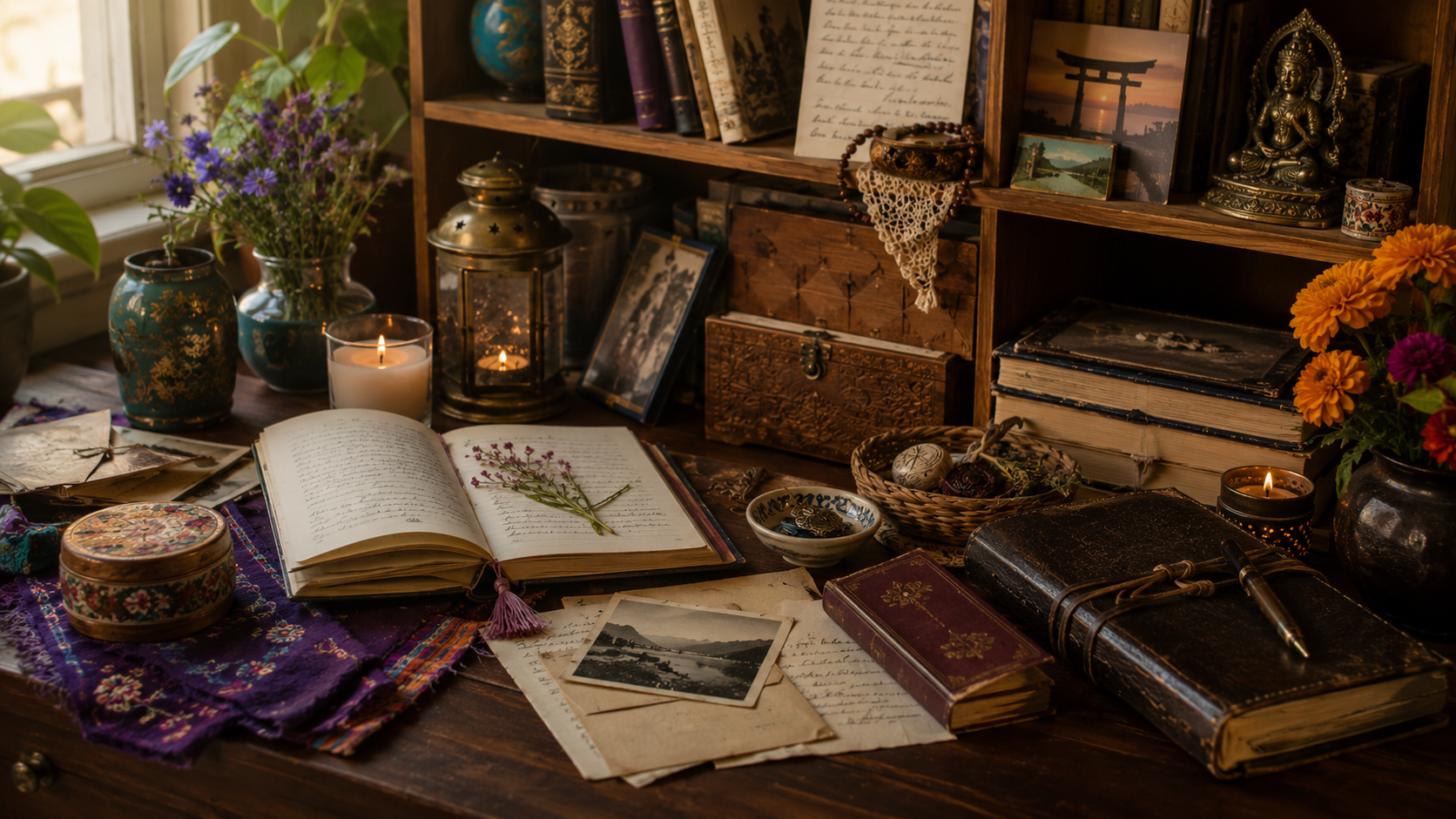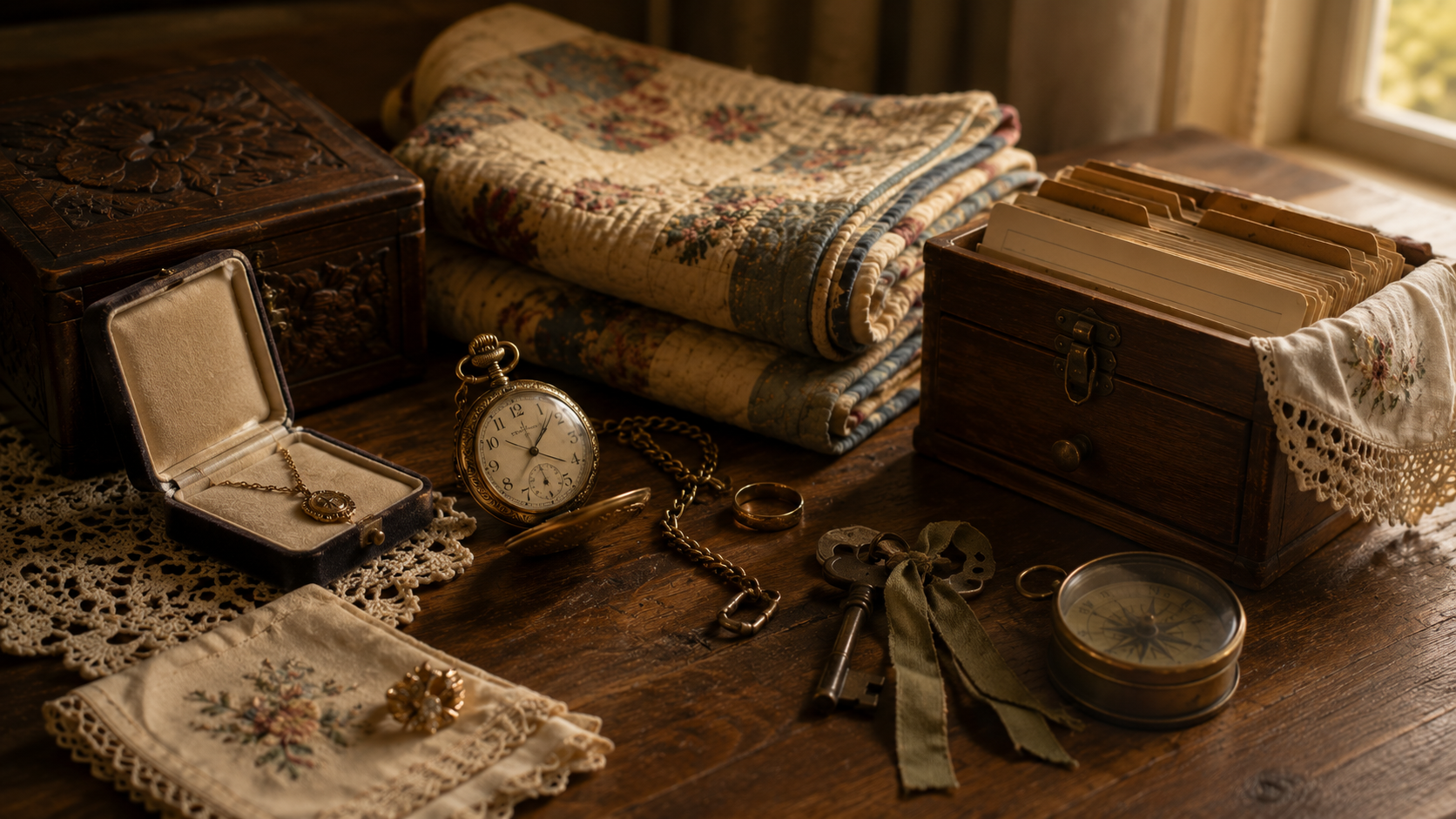
Family history is more than names on a chart or photographs in a box.
It is the story of how people lived, loved, struggled, celebrated, and carried life forward across generations.
For many families, understanding that history creates a deeper sense of identity and connection.
Family history helps people understand where they come from
Many people eventually begin asking questions such as:
- Who were the people before me?
- What did they experience?
- What traditions shaped our family?
- What values were passed down over time?
Family history provides context that helps people feel connected to something larger than themselves.
Small stories often become the most meaningful
Family history is not only made from major historical events.
It also lives inside:
- ordinary routines
- recipes
- traditions
- photographs
- voice recordings
- personal memories
- handwritten notes
These details help future generations understand what daily life actually felt like.
Many family stories disappear unintentionally
Over time, stories are often lost because:
- nobody wrote them down
- photographs were unlabeled
- recordings disappeared
- relatives passed away
- memories faded naturally
Most families do not intentionally lose their history.
It simply becomes harder to preserve across generations without structure or organization.
Preserving history creates continuity
When stories are preserved, future generations gain:
- emotional connection
- cultural understanding
- family identity
- historical perspective
- a sense of belonging
Knowing family history can help people feel rooted even as the world changes around them.
Technology allows families to preserve more than before
Previous generations often relied only on physical albums and memory.
Today, families can preserve:
- photographs
- videos
- written reflections
- voice recordings
- traditions
- stories connected to loved ones
in ways that remain accessible over time.
Legacy is built gradually
Many people think legacy only refers to wealth or major accomplishments.
But legacy is often built from smaller things:
- the way someone treated others
- family traditions
- personal values
- stories passed down
- moments of care and connection
These are often the memories families carry forward longest.
Future generations may value these memories more than expected
A photograph or voice recording that feels ordinary today may become deeply meaningful decades from now.
Future generations may one day want to know:
- what someone sounded like
- what family gatherings looked like
- what traditions existed
- how people connected with one another
Preserving family history helps make those connections possible.
Remembering helps history remain human
Without preserved stories, history can begin to feel distant and abstract.
Family memories help keep history personal.
They remind future generations: someone lived here, someone loved deeply, and someone helped shape the family that exists today.