Every culture remembers differently.
Some light candles. Some prepare meals. Some visit gravesites. Some tell stories for generations. Some preserve photographs, letters, or family heirlooms.
The traditions may look different across the world, but the desire behind them is often the same:
to remember the people who mattered.
Remembrance is a universal human experience
Long before digital technology existed, families created ways to preserve memory.
Across generations, people have:
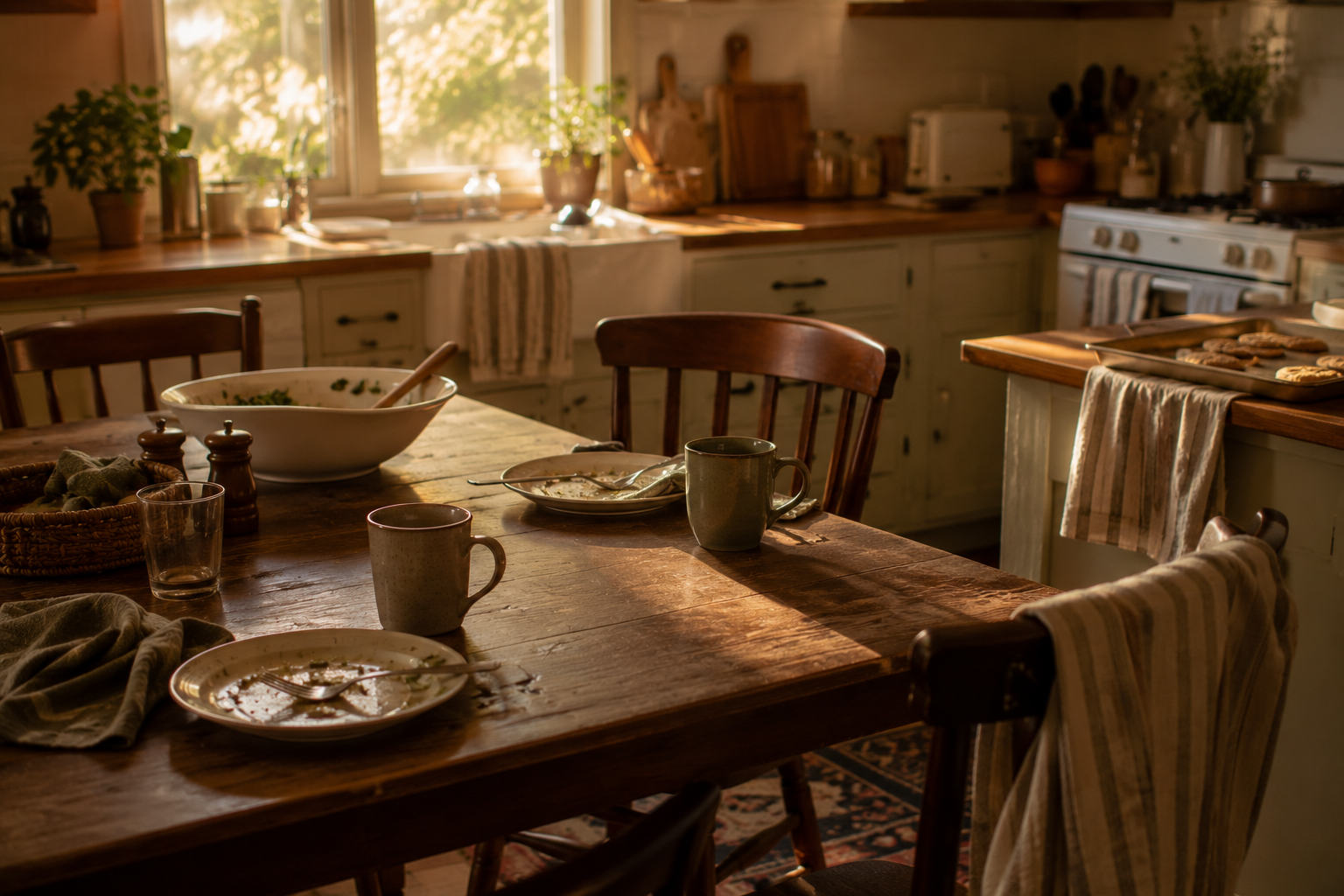
- gathered for memorial meals
- spoken the names of loved ones
- preserved family photographs
- carried forward traditions
- passed down stories
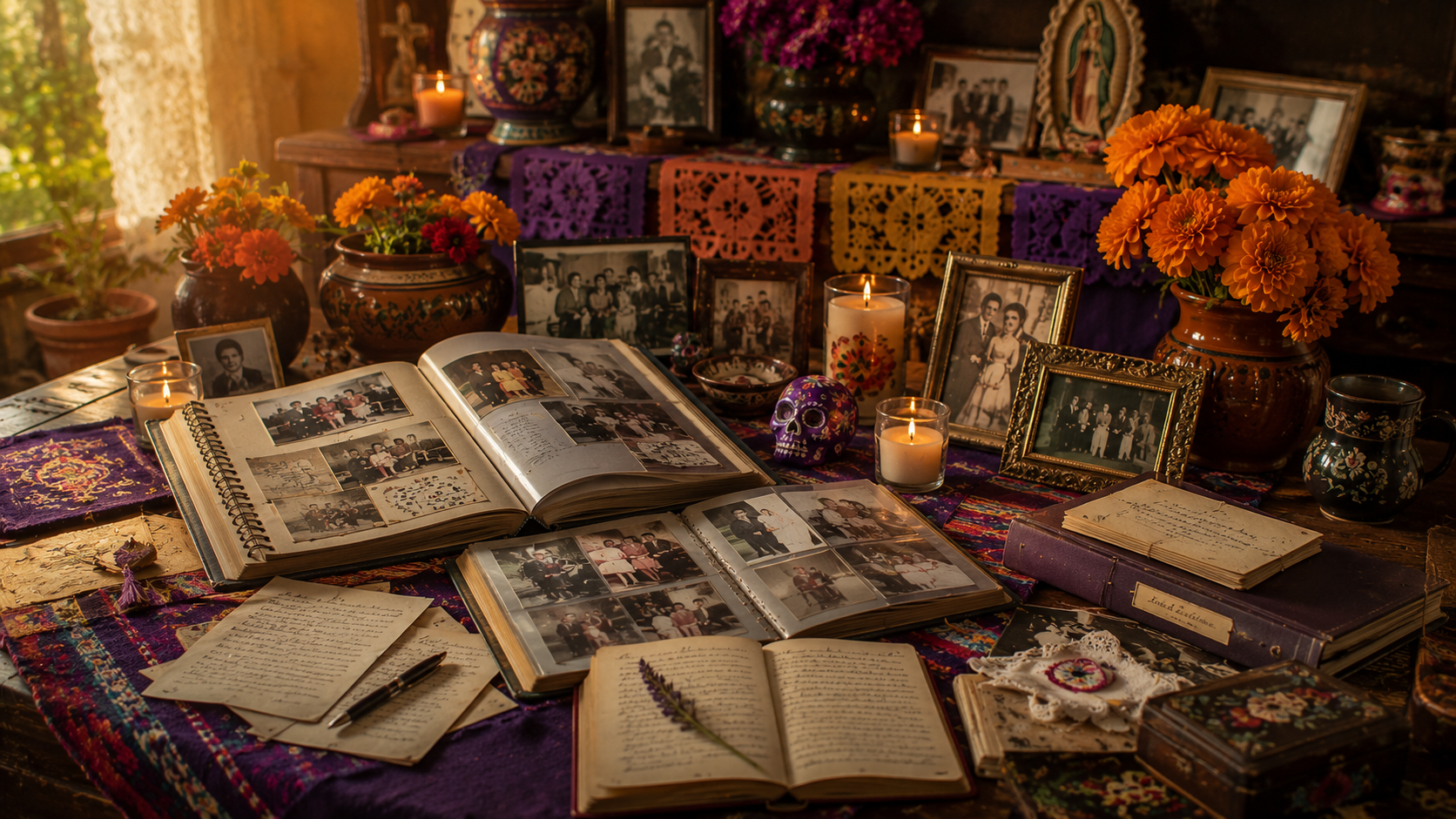
- built memorial spaces inside homes
These acts help memory survive beyond a single lifetime.
Different cultures remember in different ways
Around the world, remembrance traditions take many forms.
Some families create:
- remembrance tables
- ancestor altars
- candlelight vigils
- memorial gatherings
- annual family ceremonies
Others preserve:
- oral history
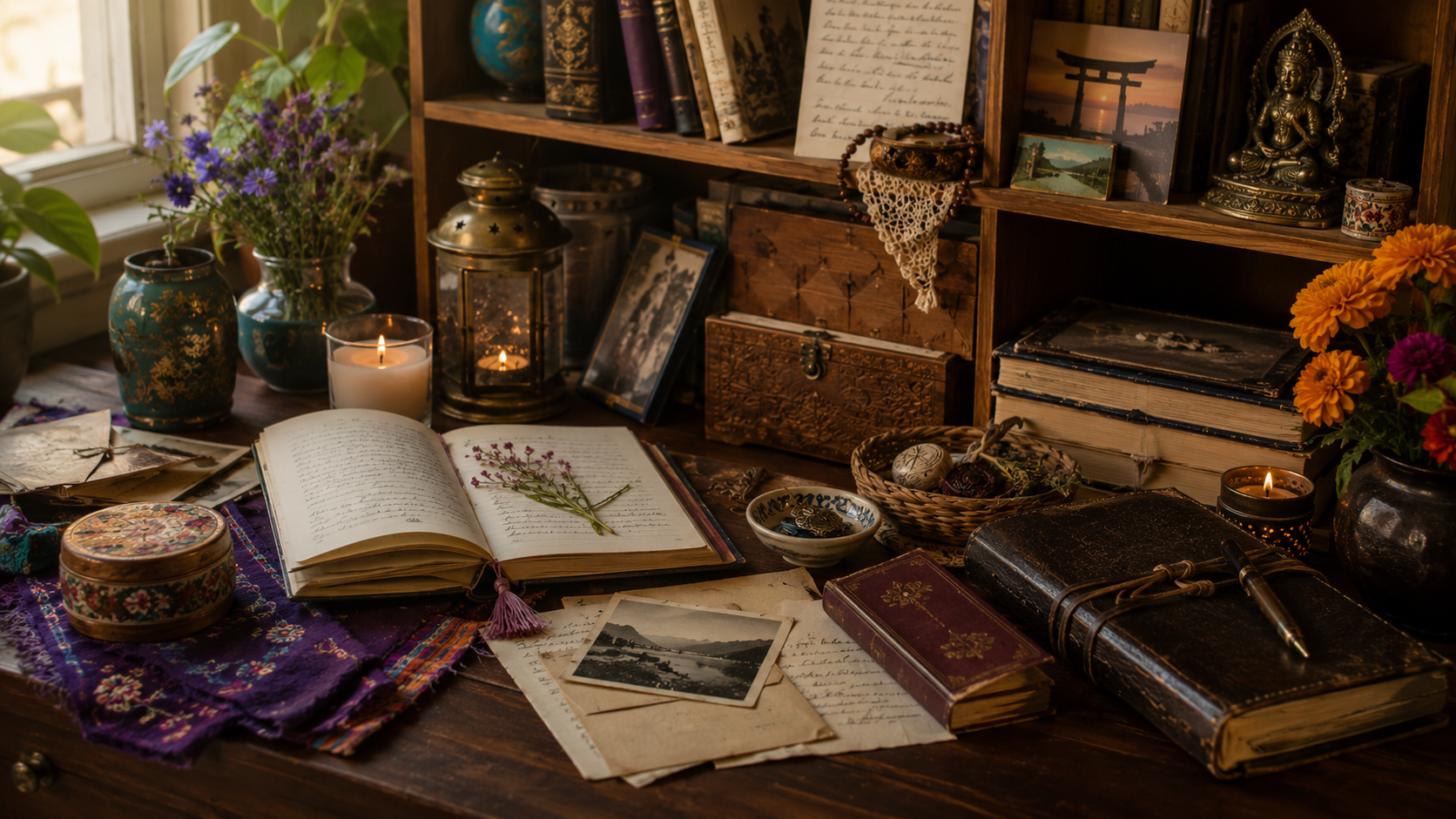
- handwritten letters
- recipes
- music
- clothing
- personal belongings
The details vary. The emotional purpose often remains the same.
Memory connects generations
Many remembrance traditions are not only about grief.
They are also about connection.
They help younger generations understand:
- who came before them
- what values shaped the family
- what traditions mattered
- how family history evolved over time
Remembrance becomes part of identity.
Modern life can make memory fragile
Today, families often move frequently, change devices, and store memories digitally across many platforms.
Because of this, stories and photographs can disappear more easily than people expect.
Many families now feel a growing need to preserve memories more intentionally before they are lost.
Technology changes the form, not the meaning
Families now preserve:
- photographs
- videos
- voice recordings
- written memories
- digital archives
But the emotional reason remains ancient.
People still want:
- connection
- continuity
- remembrance
- a way to honor those they love
Technology changes the tools. It does not remove the human need to remember.
Remembering helps people feel rooted
Family stories often provide a sense of belonging.
Knowing:
- where a family came from
- what challenges were overcome
- what traditions endured
- who shaped previous generations
can create a stronger sense of identity across time.
The desire to remember has always existed
Remembrance is not limited to one culture, religion, or tradition.
It exists almost everywhere human beings exist.
Because love leaves memory behind.
And throughout history, families have searched for ways to protect that memory from disappearing completely.