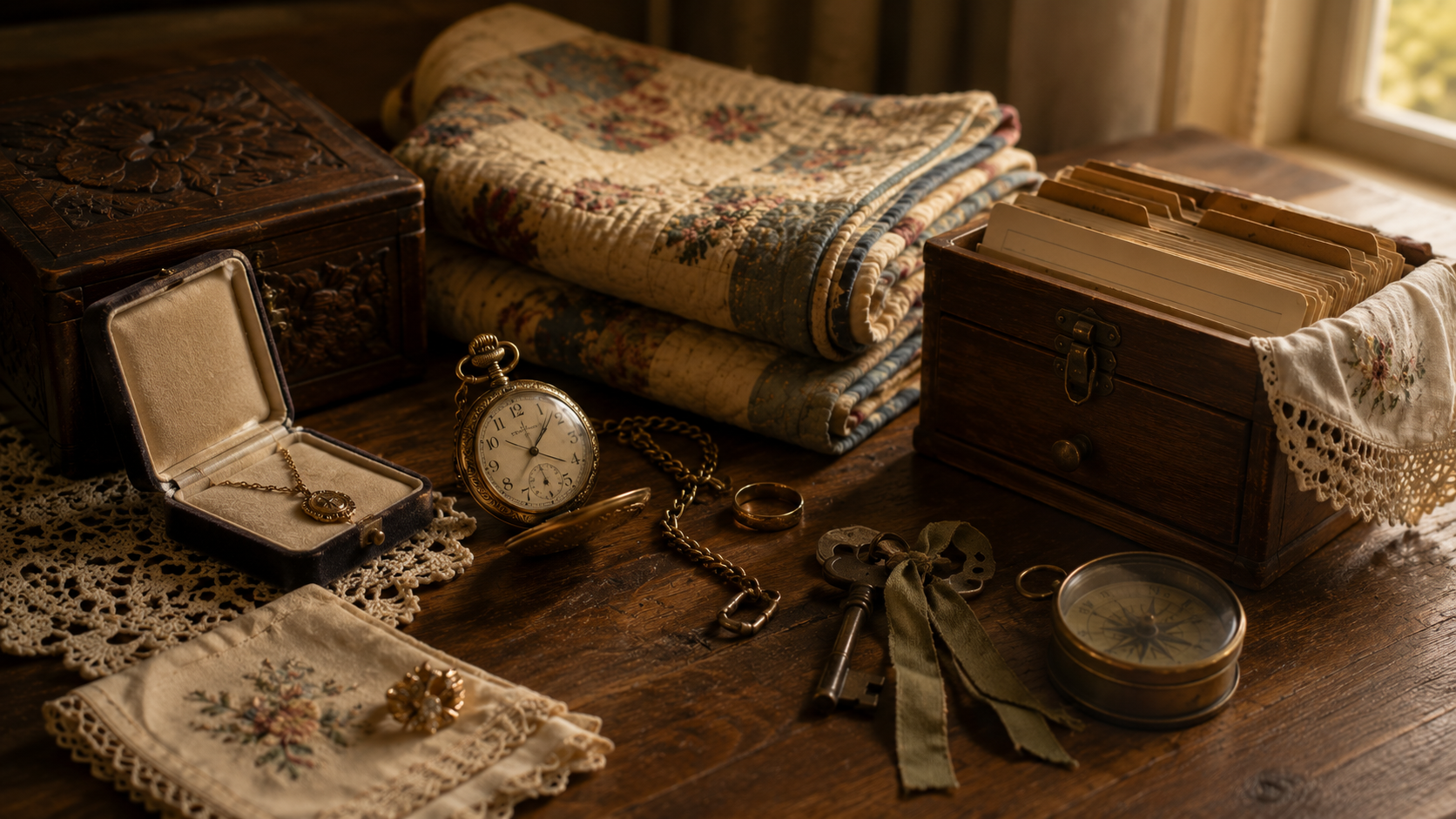
Most family stories are not intentionally forgotten.
They fade slowly.
A grandparent passes away. A relative moves. A photograph loses context. A tradition stops being explained.
Over time, details that once felt permanent can quietly disappear.
Memory changes across generations
Every generation remembers family history differently.
One generation may know:
- names
- relationships
- traditions
- important events
- personal stories
The next generation may only remember fragments.
Without preservation, stories often become shorter, less detailed, and eventually disappear entirely.
Families are often busier than they realize
Modern life moves quickly.
People work long hours. Families live farther apart. Conversations become shorter. Old photographs stay in storage.
Many people assume there will always be more time to ask questions later.
Sometimes there is not.
Small stories matter more than people expect
Families often focus on preserving major milestones.
But the stories that disappear most easily are ordinary ones:
- childhood memories
- family routines
- inside jokes
- traditions
- recipes
- everyday conversations
These details may seem small in the moment.
Years later, they often become deeply meaningful.
Oral history is fragile
For most of human history, families passed stories down verbally.
That tradition still matters, but oral memory alone can be fragile over time.
When stories are not written, recorded, or preserved somewhere intentionally, they can vanish within only a few generations.
Preserving stories creates connection
Family stories help people understand:
- where they came from
- what shaped previous generations
- what values mattered
- what challenges were overcome
Stories create emotional continuity between generations.
Without them, family history can begin to feel distant or incomplete.
Technology can help preserve memory
Today, families can preserve:
- written memories
- voice recordings
- videos
- photographs
- family reflections
in ways previous generations could not.
The goal is not perfection.
It is simply making sure meaningful stories remain accessible over time.
Remembering is part of identity
Family stories are not only about the past.
They influence how people understand themselves in the present.
Knowing:
- who loved you
- what your family endured
- what traditions mattered
- how people lived
can create a stronger sense of belonging and continuity.
Stories disappear quietly
Most lost family stories are not erased intentionally.
They are simply never recorded.
A question never asked. A memory never written down. A story everyone assumed would always be remembered.
Preserving stories is often less about creating something new, and more about protecting what already exists before it fades.