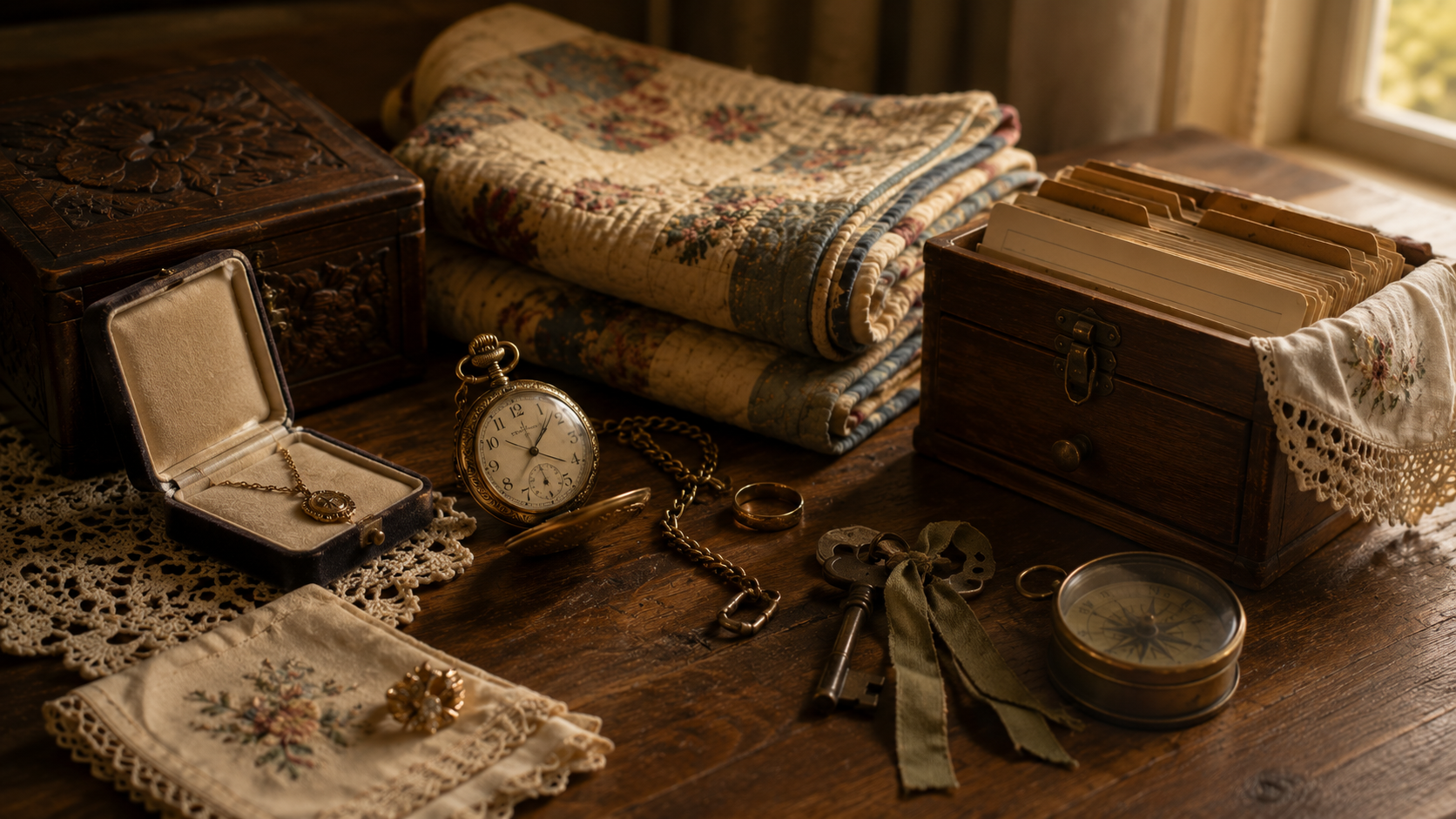
When people think about legacy, they often think about physical things.
Homes. Jewelry. Documents. Possessions passed down through generations.
But for many families, the things remembered most are not objects.
They are moments.
Emotional legacy often lasts longer than possessions
Over time, many physical belongings are eventually lost, donated, or forgotten.
What families often carry forward instead are:
- stories
- traditions
- values
- memories
- photographs
- voice recordings
- moments of connection
These emotional memories frequently become more meaningful than material items alone.
Small moments shape how people are remembered
People are rarely remembered only for major accomplishments.
Families often remember:
- how someone laughed
- the advice they gave
- traditions they created
- meals they cooked
- ordinary routines
- how they made others feel
Small moments become part of how future generations understand a person’s life.
Family traditions carry memory forward
Traditions often preserve emotional connection across generations.
A recipe. A holiday routine. A phrase someone always used. A yearly gathering.
These habits can continue long after someone is gone and still carry their presence forward within the family.
Stories help future generations feel connected
Future generations may never meet many of the people who shaped their family history.
But preserved memories can still create connection.
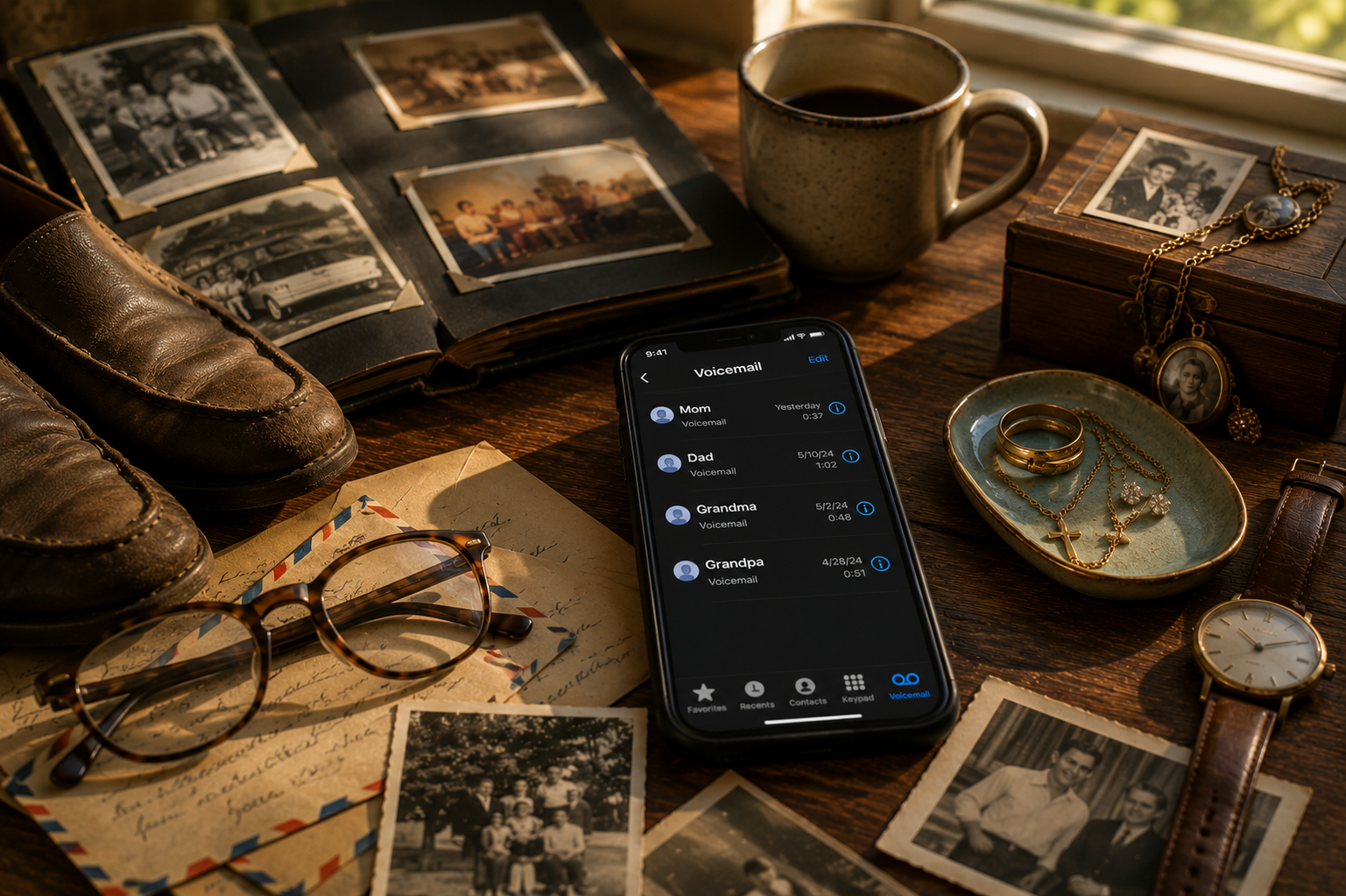
Hearing a voice recording, reading a story, or seeing an old photograph can help younger generations feel:
- familiarity
- continuity
- belonging
- understanding
These memories help transform family history into something personal and human.
Technology now allows families to preserve more
Previous generations often relied only on memory and physical albums.
Today, families can preserve:
- photographs
- videos
- voice recordings
- written reflections
- family stories
in ways that remain accessible over time.
The ability to preserve emotional legacy has never been greater.
Legacy is often built quietly
Most meaningful legacies are not created through public recognition.
They are built slowly through:
- love
- care
- consistency
- family connection
- shared experiences
The quiet parts of life often become the most meaningful later.
Remembering keeps people present
Preserved memories do not replace a person.
But they can help maintain connection across time.
A photograph can bring back familiarity. A voice recording can restore presence. A story can keep someone emotionally close even years later.
What remains after a lifetime
Eventually, many families realize the most valuable things left behind are not possessions.
They are:
- relationships
- memories
- stories
- traditions
- moments that shaped the people around them
Because long after objects fade, people often continue carrying the emotional presence of those they loved.